|
Note
This site works best on a
laptop, desktop, or tablet-type
of
device (i.e. iPad).
This site is not yet optimized
for
use on smart phones.
TGNOW Pages:
Increase Your
Sales
By THIS Weekend...
Advertise
to over 100,000
transgender people
per month
on TGNOW.com...
Inquire Here Now
Our Advertisers Love
Us!
See
Our Many
Testimonials
|
|
Here you will find helpful resources
for:
Transgender Youth...
Plus, two great articles on how to stop your child from
being bullied (scroll down).
NOTE
Whenever you make a purchase from the
merchants featured on TGNOW.com,
10% of your purchase amount goes toward improving the lives of transgender
persons!
This does NOT cost you any extra.
==============================================================================================================================
As a
Transgender or Gender-Variant Person...

What if you could become
virtually IMMUNE to bullying & harassment?
What if you no longer felt
miserable or depressed, so you could
feel HAPPY, and truly LOVE being your authentic self?
What if you could learn a simple
self-help technique that
would be able to improve EVERY area of your life,
and virtually GUARANTEE YOUR SUCCESS?
And what if this technique could help your
family members gain acceptance,
and full support for you?
And...what if
this technique was 100% FREE?
Click Here Now
National Eating Disorder Association (NEDA)
The National Eating Disorders Association (NEDA)
is the largest nonprofit organization
dedicated to supporting individuals and families affected by eating
disorders.
NEDA supports individuals and families affected by eating disorders,
and serves as a catalyst for prevention, cures and access to quality care.
Call the Toll-Free HOTLINE:
(800)
931-2237
Monday - Thursday 11am - 9pm ET
Friday 11am - 5pm ET
Translation services are available on the phone.
The
Science of Being Transgender
(free video)
This is an excellent explanation of what transgender is all about,
and the scientific research studies that back it up!
ALSO....
A
Beginner's Guide To Trans 101 - FREE TRAINING COURSE
Questioning If You Are Doing The Right Thing
(Transitioning)
Here is how to get back on track.
Free video
By Dr. Z PhD
The 3
Biggest Fears of Gender Transition
Free video
By Dr. Z PhD
Give this book to your
employer!
Transgender Employees in
the Workplace
A Guide for Employers

101 Plus Size Women's
Clothing Tips
A Practical Guide To Transgender Law
By Robin Moira White & Nicola Newbegin

What Every
Autistic Girl Wishes Her Parent Knew
On Being Transgender & Autistic
How To Be A Supportive Transgender Ally
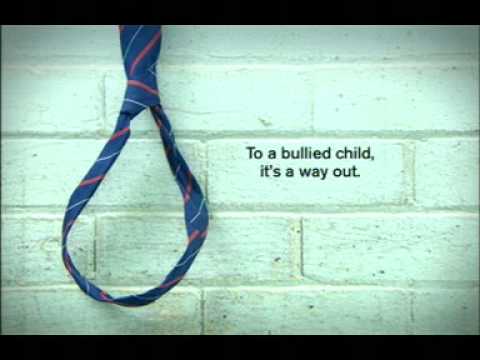
Transgender Thoughts Of Suicide
Frequently Asked Questions about Transgender Individuals and Gender Identity
from The American Psychological Association
Trans Youth
Family Allies (TYFA)
1-888-IMA-TYFA or email us at
info@imatyfa.org
TYFA empowers children and families by partnering with educators,
service providers and communities, to develop supportive environments
in which
gender may be expressed and respected.
TYFA is working toward a society free of suicide and violence
in which ALL children are respected and celebrated.
Get Real Female Hormones...
and Other Medications...
No Prescription Necessary...No Questions Asked!
Now you really can safely buy
legitimate full-strength Estradiol estrogen to
quickly feminize your entire body...without a prescription!
This is the same estrogen that dedicated trans
persons take,
every day.
This
Estrofem
Estradiol estrogen is the legitimate full-strength 2 mg per tablet.
Most t-girls take 2 - 8 mg of Estrofem
Estradiol estrogen per day for total feminization.
Most other female hormone products also available.
PLUS:
You will also need the potent
testosterone blocker...Spironolactone
Otherwise your Estrogen will not be nearly as effective.

For
Free Shipping...Click
Here Now!
All orders are placed securely online
and delivered discreetly and privately to your door
or to your post office box
through US Postal Service.
Note*** This online pharmacy is a totally legitimate,
highly professional company.
----------------------------------------------------------------------------------------------------------------
A Better Way, LLC
Susan E. Riser, Ph.D, LPC, NCC
5510 Wares Ferry Rd., Ste U3
Montgomery, AL 36117
(334) 387-2317
E-mail Susan:
seriser@bellsouth.net
I work with transgender clients who are beginning
their transition.
I help with counseling on whatever issues you may have;
Speak with your family if needed and requested;
Help you find a qualified physician for prescribing and monitoring your
hormones;
Write letters for hormone therapy, FFS, SRS and other surgeries;
I am also currently exploring potential sources of
funding for medical treatment.
Unique Summer Camp for Transgender Children...
Camp
Aranu'tiq is a week-long, tuition-free,
overnight summer camp for transgender and gender-variant youth - ages 8
through 15.
Our
mission is to provide transgender and gender-variant youth with a safe, fun,
and unique camp experience during which they are able to express gender
however they are comfortable
and connect with others in similar situations.
Camp Aranu'tiq
Find a
Map
to this event.
Check Weather Forecast before you
go to this event.
Keep track of Gas Prices and
the Lowest Airfares for
this event.
Transgender Youth Conference...
Gender
Spectrum Family Conference
we will hold the second annual family-centered conference for people
raising
gender non-conforming, gender variant, and transgender children and
adolescents.
Find a
Map
to this event.
Check Weather Forecast before you
go to this event.
Keep track of Gas Prices and
the Lowest Airfares for
this event.
Pichet Rodchareon
Highly Recommended
Bangkok, Thailand
Bangkok
Plastic Surgery
Cosmetic Surgery, Plastic Surgery &
Gender Reassignment Surgery (GRS)

Email:
pichet@bangkokplasticsurgery.com
Website:
http://www.bangkokplasticsurgery.com
See Our Many Testimonials
Get Real Female Hormones...
and Other Medications...
No Prescription Necessary...No Questions Asked!
Now you really can safely buy
legitimate full-strength Estradiol estrogen to
quickly feminize your entire body
& mind...without a prescription!
This is the same estrogen that dedicated trans
persons take,
every day.
This
Estrofem
Estradiol estrogen is the legitimate full-strength 2 mg per tablet.
Most t-girls take 2 - 8 mg of Estrofem
Estradiol estrogen per day for total feminization.
Most other female hormone products also available.
PLUS:
You will also need the potent
testosterone blocker...Spironolactone
Otherwise your Estrogen will not be nearly as effective.
For
Free Shipping...Click
Here Now!
All orders are placed securely online
and delivered discreetly and privately to your door
or to your post office box
through US Postal Service.
Note*** This online pharmacy is a totally legitimate,
highly professional company.
---------------------------------------------------------------------------------------------------------------
The Truth About Transgender Athletes
Feminine Voice Lessons For Transgender Girls & Women
VERY Popular
How To Be Chic & Elegant
By Marie-Anne Lecoeur

Books
Hello Cruel World
101 Alternatives to Suicide for Teens, Freaks and Other Outlaws
by Kate Bornstein

The Transgender
Guidebook
Keys to a Successful Transition
By Anne L Boadecker, PhD

How To Feminize Your Body
By Martine Song
.

A
Scientific Aspect of Transgenders
By Ajay Majumder & Rabin Tarafger
Principles of Transgender Medicine & Surgery - 2nd Edition
By Randi Ettner
Stan Monstrey
Eli Coleman

Transgender 101
A Simple Guide To A Complex Issue
By Nicholas Teich

Love
Lives Here
A Story of Thriving In A Transgender Family
By Amanda Jette Knox

Also
Available in AUDIO BOOK
Raising The Transgender Child
A Complete Guide For Parents, Families, & Caregivers
By Michelle Angello & Ali Bowman

Histories Of The
Transgender Child
By Julian Gill-Peterson

Helping Your
Transgender Teen
By Irwin Krieger

Trans Bodies, Trans
Selves
A Resource For The Transgender Community
Edited by Laura Erickson-Schroth

Supporting Transgender
Autistic Youth & Adults
A Guide For Professionals & Families
By Finn V. Gratton

I Am A Boy!!: A
Transgender Boy (and His Family's)
Journey To Manhood
By Nick Lawrence

Transgender Studies
Reader 1
Edited by Susan Stryker & Stephen
Whittle

Transgender Studies
Reader 2
Edited by Susan Stryker & Aren Z.
Aizura

Get the Transgender
Studies Readers 1 & 2 Bundle Here
FTM
Female-to-Male Transman In Society
By Aaron Devor

Unbound
Transgender Men and The Remaking of Identity
By Arlene Stein

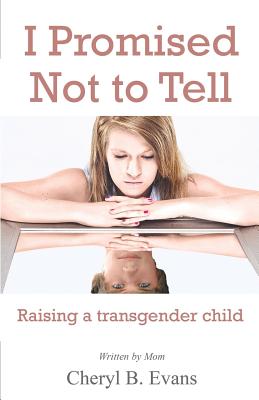
I Promised Not To
Tell
Raising A
(FtM) Transgender Child
By Cheryl B. Even (mother)
Inventing Transgender
Children & Young People

How to Change Your S/e/x. -
A Lighthearted Look at the Hardest Thing You'll Ever Do
by Lannie Rose

AUDIOBOOK
True Selves:
Understanding Transgender -
For Families, Friends, Coworkers, and Helping Professionals.
by Mildred L. Brown & Chloe Ann Rounsley

----------------------------------------------------------------------------------------------------------------
Transgender Emergence:
Therapeutic Guidelines for Working with Gender-Variant People and their
Families.
by Arlene Istar Lev

------------------------------------------------------------------------------------------------
Beyond Magenta
Transgender Kids Speak Out
By Susan Kuklin

Trans Kids And Teens:
Pride, Joy, and Families In Transition
By Elijah C Nealy

Phoenix Goes To School
A Story To Support Transgender & Gender Diverse Children
By Michelle & Phoenix Finch

Trans-Kin
A Guide For Family & Friends of Transgender People

Transgender in the Workplace
Transgender
The Complete Guide to
To The Authenticity For Employers
& Gender-Diverse Professionals
by Vanessa Sheridan

Several Great Books On....
Transgender Rights
A Clinician's Guide
to Gender-Affirming Care
Working Transgender & Gender Non-Conforming Clients

Also Available in
AUDIO BOOK
Spectrums: Autistic
Transgender People In Their Own Words
By Maxfield Sparrow Written
by autistic trans people from around the world, this vital and intimate
collection of personal essays reveals
the struggles and joys of living at the intersection of neuro-divergence
and gender diversity.
Weaving memories, poems and first-person narratives together, these
stories showcase experiences of coming out,
college and university life, accessing healthcare, physical transition,
friendships and relationships,
pregnancy, parenting, and late life self-discovery, to reveal
a rich and varied tapestry
of life lived on the spectrums. With humor and personal insight, this
anthology is essential reading for autistic trans people,
and the professionals supporting them, as well as anyone interested in
the nuances of autism and gender identity.
Being Transgender In America
By Duchess Harris & Kristin Marciniak

Transgender Behind Prison Walls
By Sarah Jane Baker

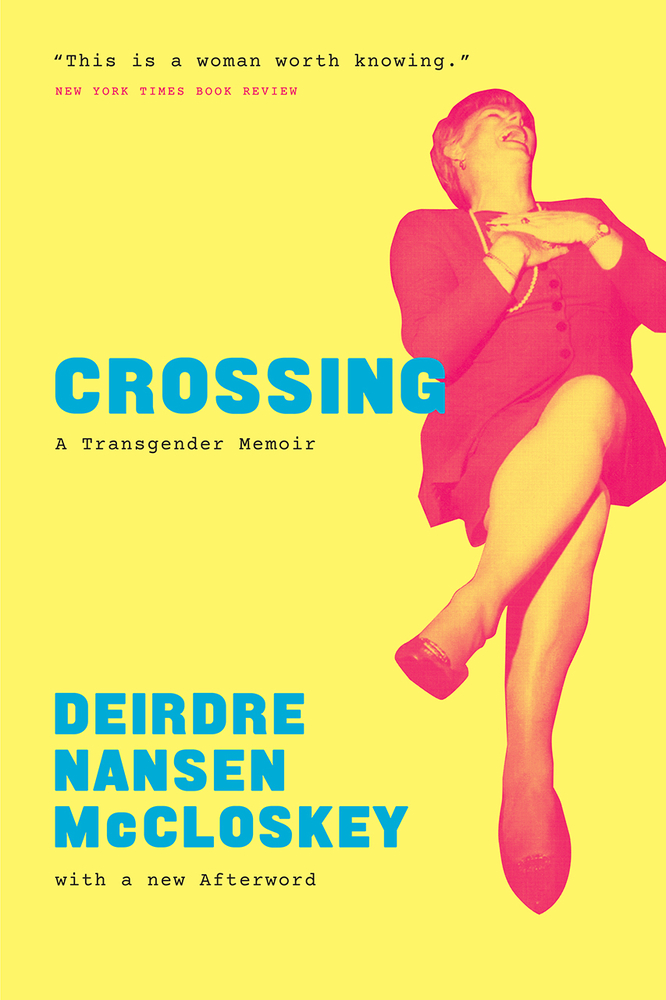
Crossing: A
Transgender Memoir
by Deirdre Nansen McCloskey
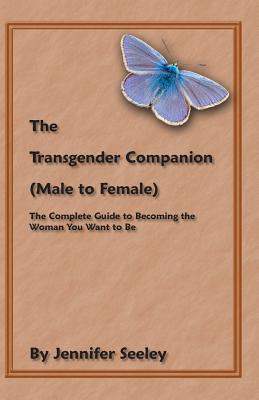
The Transgender Companion: (Male to Female)
The Complete Guide to Becoming the Woman You Want to Be
by Jennifer Seeley
One Weird Trick
A User's Guide To Transgender Voice
By Liz Jackson Hearns & Patrick Maddigan

Facial Feminization Surgery:
A Guide For The Transgender Woman
by Douglas K. Ousterhout, MD
The Look of a Woman:
Facial Feminization Surgery, & The Aims of Trans-Medicine
By Eric Plemons

Complications In
Cosmetic Facial Surgery
By Joe Niantu
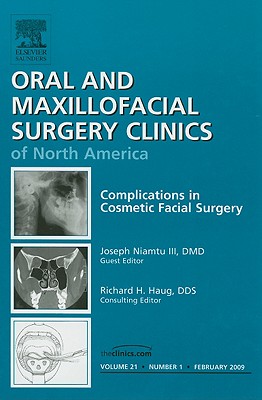
More Books on Cosmetic
Facial Surgery
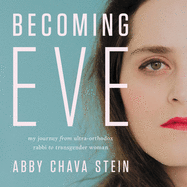
Becoming Eve
My Journey From Ultra-Orthodox Rabbi To Transgender Woman
By Abby Chava Stein
Also Available in
AUDIO BOOK
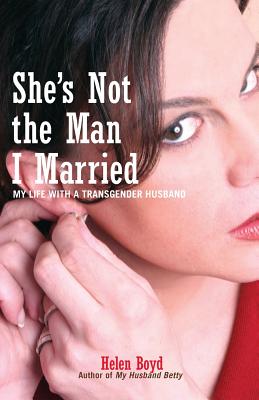
She's Not the Man I Married:
My Life with a Transgender Husband
by Helen Boyd
My Husband Betty
Love and Life with a Cross / Dresser
by Helen Boyd

Living With
Cross / Dressing
Discovering Your True Identity
By Savannah Hauk

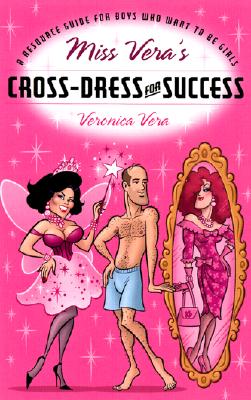
Miss Vera's Cross / Dress For Success:
A Resource Guide for Boys Who Want to be Girls
by Veronica Vera
Miss Vera's Finishing School for Boys Who Want to be Girls
by Veronica Vera

More Books on
Cross Dressing
Margie's Closet
Thrift store FOR Transgender &
Gender Non-binary people.
1382 W 117th St, Cleveland, Ohio 44107
Located inside Lee's Cleaners
More Trans
Related Books
A Kid's Book About Being Transgender
I Am Not A Girl
A Transgender Story
Transgender Explained - For Those Who Are Not.
by Joanne Herman

Inters/e/x: (For Lack of a Better Word)
by Thea Hillman

Born Both: An Inters/e/x
Life
By Hida Viloria

Transitions: A Guide to Transitioning for Trans Persons and Their
Families
by Mara Drummond
Wrapped in Blue - A Journey of Discovery
by Donna Rose
Out & About: The Emancipated Cross Dresser
by Lacey Leigh
Cross Dressers, and Those Who Share Their Lives
by Peggy Rudd
My Husband Wears My Clothes:
Cross Dressing from the Perspective of a Wife
by Peggy Rudd
The Lazy Cross Dresser
by Charles Anders
Cross Dressing With Dignity
The Case for Transcending Gender Lines
by Peggy Rudd
Mom, I Need to be a Girl
by Just Evelyn
Hello Cruel World
101 Alternatives to Suicide for Teens, Freaks and Other Outlaws
by Kate Bornstein
Mom, I Need to be a Girl
by Just Evelyn
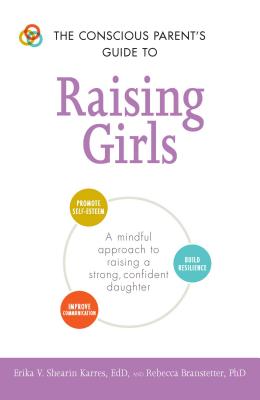
The Conscious
Parent's Guide To Raising Girls -
A Mindful Approach To Raising A Strong, Confident Daughter
By Rebecca Branstetter & Erika V. Shearin Karres
More Books on Being
A Girl
The World Needs Who
You Were Made To Be
By Joanna Gaines

Warrior Goddess
Training
Become The Woman You Are Meant To Be
(this is NOT a transgender book)
By Heatherash Amara

Letters From A
Better Me
How Becoming An Empowered Woman Transforms The World
By Rachael Wolff

The Bombshell
Business Woman
How to Become a Bold, Brave, Female Entrepreneur
By Amber Hurdle

See More...
Transgender Books at Amazon.com
And
Synchronicity Bookstore (Very TG/CD Friendly)
Over 70 carefully selected books on transgender and gender,
cross dressing, and related topics.
List of Famous or Otherwise Notable Transgender Persons
10
Secrets to Developing Feminine Body Confidence
10 Beauty Secrets Every Teenage Girl Should Know
How to Walk
in High Heels
Growing Up Transgender
(full documentary)
Additional
Trans-Youth Resources
Transgender Living Videos
Studies Reveal Why Kids Get
Bullied and Rejected
|
Kids who get bullied and
snubbed by peers may be more likely to have problems in other parts of
their lives,
past studies have shown. And now researchers have found at least three
factors in a child's behavior
that can lead to social rejection.
The factors involve a
child's inability to pick up on and respond to nonverbal cues from their
pals.
In the United States, 10
to 13 percent of school-age kids experience some form of rejection by
their peers.
In addition to causing mental health problems, bullying and social
isolation can increase the likelihood a
child will get poor grades, drop out of school, or develop substance
abuse problems, the researchers say.
"It really is an
under-addressed public health issue,"
said lead researcher Clark McKown of the Rush Neurobehavioral Center in
Chicago.
And the social skills
children gain on the playground or elsewhere could show up later in
life,
according to Richard Lavoie, an expert in child social behavior who was
not involved with the study.
Unstructured playtime - that is, when children interact without the
guidance of an authority figure -
is when children experiment with the relationship styles they will have
as adults, he said.
Underlying all of this:
"The number one need of any human is to be liked by other humans,"
Lavoie told LiveScience.
"But our kids are like strangers in their own land." They don't
understand the basic rules of operating in society
and their mistakes are usually unintentional, he said.
Social Rejection
In two studies, McKown and
colleagues had a total of 284 children, ages 4 to 16 years old, watch
movie clips
and look at photos before judging the emotions of the actors based on
their facial expressions,
tones of voice and body postures. Various social situations were also
described and the children were questioned
about appropriate responses.
The results were then
compared to parent/teacher accounts of the participants' friendships and
social behavior.
Kids who had social
problems also had problems in at least one of three different areas of
nonverbal communication:
reading nonverbal cues; understanding their social meaning; and coming
up with options for resolving a social conflict.
A child, for example,
simply may not notice a person's scowl of impatience or understand what
a tapped foot means.
Or she may have trouble reconciling the desires of a friend with her
own. "It is important to try to pinpoint the area or
areas in a child's deficits and then build those up," McKown explained.
Ways To Help
When children have
prolonged struggles with socializing, "a vicious cycle begins," Lavoie
said.
Shunned children have few opportunities to practice social skills, while
popular kids are busy perfecting theirs.
However, having just one or two friends can be enough to give a child
the social practice he or she needs, he said.
Parents, teachers and
other adults in a child's life can help, too. Instead of reacting with
anger or
embarrassment to a child who, say, asks Aunt Mindy if her new hairdo was
a mistake,
parents should teach social skills with the same tone they use for
teaching long division or proper hygiene.
If presented as a learning opportunity, rather than a punishment,
children usually appreciate the lesson.
"Most kids are so
desperate to have friends, they just jump on board," Lavoie said.
To teach social skills,
Lavoie advises a five-step approach in his book "It's So Much Work to Be
Your Friend:
Helping the Child with Learning Disabilities Find Social Success"
(Touchstone, 2006).
The process works for children with or without
learning disabilities and is best conducted immediately
after a
transgression has been made.
1) Ask the child what happened and listen without judgment.
2) Ask the child to identify their mistake. (Often children
only know that someone got upset,
but don't understand their own role in the outcome.)
3) Help the child identify the cue they missed or mistake
they made, by asking something like:
"How would you feel if Emma was hogging the tire swing?" Instead of
lecturing with the word "should,"
offer options the child "could" have taken in the moment, such as: "You
could have asked Emma to join you or told
her you would give her the swing after your turn."
4) Create an imaginary but similar scenario where the child
can make the right choice. For example, you could say,
"If you were playing with a shovel in the sand box and Aiden wanted to
use it, what would you do?"
5) Lastly, give the child "social homework" by asking him to
practice this new skill, saying:
"Now that you know the importance of sharing, I want to hear about
something you share tomorrow."
The studies are detailed
in the current issue of the Journal of Clinical Child and Adolescent
Psychology.
They were funded by the Dean and Rosemarie Buntrock Foundation and the
William T. Grant Foundation. |
=======================================================================================
"Stop Bullying My Child"- What a Parent Can
Do
by Elisabeth Wilkins, Empowering Parents
Editor
|
Being the target of
bullies is a form of torture. I know this firsthand—I was bullied
for two years in elementary school.
Now I’m a mom, and the thought of the same thing happening to my
child terrifies me.
Recently, we caught up
with Peggy Moss, a nationally known expert on bullying and a
tireless advocate for the
prevention of hate violence. Peggy is also the author of Say
Something, an award-winning children’s book that helps
parents and educators start conversations with kids about actions
they can take when they are being bullied,
or are a witness to other kids being tormented at school.
Are name-calling and
teasing just part of growing up, a rite of passage that all kids go
through?
"Many people out there think that adults are making too much of a
fuss about it, that we should leave kids to their own devices.
We know better now,” argues Peggy.
“I have talked to
80-year-olds who remember the name of the person who tormented them
in school, and the name of the
child who stood up for them in first grade. This is pain that has
lasted a lifetime. We have the information to stop bullying now,
so why wouldn’t we?”
What Can Parents Do to
Stop Bullying?
We sat down with Peggy and asked her what parents can do when they
suspect their child is being bullied,
and what they can do—together—to try to stop it. (The good news is
that there are a lot more resources
out there than when I was a kid!)
How can you tell if
your child is being bullied?
There’s a good chance
your kid won’t walk up to you and say, “I’m getting teased and
bullied at school,
the kids are calling me names.” Instead, it’s going to manifest
itself by your child saying, “I don’t want to go to school today.”
If this seems to be happening a lot, consider the possibility that
bullying might be the reason behind the sick days.
Also, look for signs
that kids are hurting themselves. Self-mutilation can be a sign.
For boys, one classic symptom is that they are teased so much about
being gay or being atypical that they’re terrified to
go to the bathroom. Since there’s only one way in and one way out of
a bathroom, it’s an ideal place to tease other kids.
Boys who are bullied
often won’t go all day, which can lead to lifelong intestinal
issues.
This could potentially be a sign—if your kid races home and goes to
the bathroom every day after school.
These are all possible signals that your child might be the target
of teasing at school.
Let me be clear: As a
parent, teacher or health care worker, add “Bullying” to your radar
when you’re trying to figure
out what’s going on with a child—add the possibility that your kid
is getting tormented at school.
The injury is real when kids get teased—unchecked, it can be
devastating.
If my child comes to
me and tells me he is being bullied, what is the best thing to do?
As a parent, I would say let your child talk about it. Don’t say,
“What did you do that made them tease you?”
That’s a pit parents can fall into. Don’t make the assumption that
your kid has done something to bring on the teasing.
Teasing isn’t always logical, and for your kid it doesn’t matter
why—it just matters that it’s happening.
Listen in a
non-judgmental way about your child and about the teaser. Let your
kid do the talking.
Don’t try to solve the problem. Ask, “What happened? How did that
make you feel?” to draw your child out.
And try to find out more about the kid who’s doing the teasing.
Don’t say, “Oh my God,
what a rotten kid,” because you’re just getting a part of the story.
Your child doesn’t need you to go ballistic or take on the problem
as your own.
Your child needs to know that he’s being heard and that his feelings
matter.
Once you’ve got the whole story out, depending upon what’s happened,
you can take your next step.
For a parent to be
explosive about the situation will cause a child to recoil. If I
march to school and confront the bully
on the playground, my child is not going to feel safe telling me
anything about this again. I’m taking on his battle for him or her.
(Note from Peggy: A good resource for starting conversations with
your kids:
How to Talk So Kids Will Listen and Listen So Kids Will Talk. )
So, what can I do to
stop the bullying?
The short answer is to
let your kid come up with ideas. Ask him or her questions like, “What do
you think you can say next time?
What do you think might work?” Help your child see what the outcome
might be of their words and actions;
help them see that this is a problem they can solve on their own
terms.
For example, your kid
might come up with the idea of saying to the bully, “Leave me alone,
you jerk.”
Instead of the parent saying, “That’s a bad idea,” respond with,
“What do you think is going to happen if you do that?”
Let them figure out that the bullying might escalate if they resort
to name-calling.
Your child might then
shrug and say, “I could walk away from the bully.”
You can suggest that they walk away the first time and say what they
need to say the next time.
We have to be honest about how hard it is to face a tormentor.
It’s also important to
ask your child this question: “What’s going to make you feel better
about this situation?”
But make sure you’re not the one coming up with the solution. It’s
important that your child feels like they’re
solving the problem on his or her own terms. It’s a skill you can
teach them that will last a lifetime.
What if my child won’t
talk to me about being bullied?
As long as they feel
like they have a safe place to go, that is what’s important. And if
you feel your kid can’t talk to you,
swallow hard and say, “OK, my child is not talking to me, but
they’ve got to talk.”
Put someone else in that room with them that they can talk to,
whether it’s an aunt or uncle, teacher, counselor,
coach or family friend. Unless that conversation can start, it’s
very hard to get to the heart of the problem.
When should I approach
my child’s teachers about it?
Go in pretty early, as
soon as your child starts coming home and mentioning that they are
being teased.
If your kid is coming home more than once a week and saying, “These
kids are teasing me and I don’t like to go to the bathroom,”
go in after school when all the kids are gone. Call the teacher and
set up an appointment.
Teachers are like everyone else, if you mention something in
passing, it won’t carry as much weight.
If you make an appointment, they will listen.
A caution to parents:
often when your kid is getting bullied, their teachers don’t know
it.
Kids are smart enough not to do it in front of the teacher. Bear in
mind that when you go to a teacher you shouldn’t
be carrying a
hatchet in your back pocket. It may not be that the
teacher is doing a bad job, it might mean
it’s happening out of earshot.
Don’t go into school
assuming that you’ll be received with, “Oh yes, we’ve seen this
happening.”
Say things like, “My child is coming home and talking about this.”
And then say, “This is how it’s impacting my child.”
That’s what teachers need to know, because it may not be obvious to
them. What you’re asking is for them to keep an eye out.
Later, you can check
in with email, and they can get back to you when you’re ready.
If the bullying doesn’t stop, or it’s really bad bullying, you
should go to the Principal. A really great trick is to go in with a
question:
“I talked to Ms. Fabbiano a week ago, and my daughter is still
coming home with this complaint. What should I do?”
Put it into the lap of
the principal and ask, “When can I expect to hear back from you
about what you’ve done?
What’s the next step?” Then you can tell your child that you will be
getting an answer on
Thursday about what steps will be taken. It’s also all right to ask
educators to keep your conversations private,
and then you can reassure your child about this as well.
What about when it’s
gone beyond verbal abuse and there is a physical threat?
Once you’ve got a
threat, you’ve got a crime—it’s called “Criminal Threatening.” It’s
time to alert the police.
You want to be in touch with the school long before you’ve got a
threat of violence. When the threat of violence comes,
you’re in police territory. That’s why there’s so much uproar about
teasing and bullying,
because once a child has been threatened with violence, it’s a
really big wound.
It’s hard to tell that
child that they can feel safe at school ever again. Especially if
the threat is anonymous.
For the kid who gets an anonymous threat, going to school is
terrifying minute-to-minute.
There is no way a child can focus on her math test if she’s trying
to figure out who wrote the note saying they were going to kill her.
By the time you get to that point, you are in crisis mode.
Part of it is getting
a sense from teachers about what’s really going on in that school.
As a parent, it’s much more complicated. If you can’t figure out who
is making the threat and the police can’t figure it out,
you really have to decide whether the child is safe in the school
and whether you want to keep her there.
The message to kids in
your book Say Something is that kids have the power to stop bullying
behavior at school themselves.
Can you explain how this works?
When we talk to kids
about bullies, remind them of this truth: Bullies are cowards.
Most bullies won’t tease two kids together, and almost never will
they pick on three kids at once.
Even in a group, bullies single out one or two kids. In terms of
plain old teasing, bullies like to put other kids down,
to make someone else feel lousy so they can feel powerful.
Most kids who are
teasing and putting down other kids are looking for approval from
peers.
Teach your kids that there are a lot of ways to show that you don’t
approve. If someone just speaks up and says,
“Whoa,” or “Ew,” or “That’s not cool,” it can be effective. If
another kid can walk up and say,
“Hey, come over here, you want to go play?” to the person getting
picked on, that’s huge.
It often will defuse
the whole situation. That bully is unlikely to follow, and he has
just been told in public that what
he's doing is not cool. Whether a teacher or kid breaks the
assumption, now the kid getting picked on knows that
not everyone agrees, and so does the bully. It doesn’t always have
to take a lot of courage. Kids should know that
they have the power to change their situation, especially when they
work together.
References:
Belsey, W Cyberbullying: An Emerging Threat to the Always On
Generation
Kerbs, J.J. &
Jolley, J.M. The Joy of Violence: What about Violence is Fun in
Middle-School?
American Journal of Criminal Justice. Vol. 32, No. 1-2/ Oct. 2007.
Lareau, Annette
(2003), Unequal Childhoods, Berkeley: University of California Press
Bullies and their
victims: Understanding a pervasive problem in the schools, Batsche,
G. M., & Knoff, H. M. (1994)
School PSYCHOLOGY REVIEW, 23 (2), 165-174. EJ 490 574.
About the author:
Peggy Moss has worked to eradicate bullying for more than a decade,
first as a prosecutor with the
Department of Attorney General in Maine, and later as an educator
and curriculum developer with the
Center for the Prevention of Hate Violence and the Cromwell
Disabilities Center. Peggy has given seminars and
bullying awareness workshops to healthcare providers, educators,
students and parents in the United States and Canada.
She is a graduate of Princeton University and the Washington College
of Law at American University,
where she was head of the Juvenile Justice Association. Her second
book,Our Friendship Rules,
co-authored with 14 year old Dee Dee Tardif, was released in May.
For more information about Peggy, see
www.SaySomethingNow.com |
*** Money-Saving Coupons
***
Before you buy clothes,
shoes, cosmetics and other stuff online,
find a discount coupon code to save yourself some money...
Here's a great coupon code site:
Gotta Deal Discounts
More Great Coupon Code Sites
|


